
Hardwood Floors Installation vs. Engineered Wood Flooring
People seeking hardwood or engineered flooring installation are looking to enhance their space with durable, attractive floors, and local contractors can expertly handle the installation process.
Choosing between hardwood floors installation and engineered wood flooring is a common consideration for property owners looking to enhance their space. Whether renovating a historic home or updating a modern property, understanding the practical differences can help make an informed decision. Local contractors specializing in flooring services can provide valuable insights tailored to specific needs, ensuring the chosen flooring type complements the property's style and usage. Keep reading to explore key factors that influence this choice and discover how local professionals can assist in achieving a durable, attractive floor.
Property owners in the area often explore this topic to determine which flooring option best matches their lifestyle, budget, and installation environment. Hardwood floors offer timeless appeal and can increase property value but may require more maintenance and care. Engineered wood flooring, on the other hand, provides greater stability and easier installation, making it a practical alternative in certain settings. By understanding these differences, homeowners can better evaluate their options and connect with local service providers who specialize in both hardwood and engineered wood flooring installation.
- Hardwood floors installation - homeowners considering a permanent, authentic wood surface often seek local contractors experienced in traditional hardwood installation techniques.
- Engineered wood flooring - those looking for a stable, moisture-resistant option for lower levels or areas with fluctuating humidity can find local service providers skilled in engineered wood setup.
- Hardwood floors installation - clients wanting to preserve the natural beauty of solid wood often rely on local pros to handle the precise preparation and finishing processes.
- Engineered wood flooring - projects requiring quick installation with minimal disruption benefit from local contractors who specialize in efficient engineered wood flooring services.
- Hardwood floors installation - individuals replacing existing flooring or upgrading from laminate may turn to local pros experienced in seamless hardwood installation for a polished look.
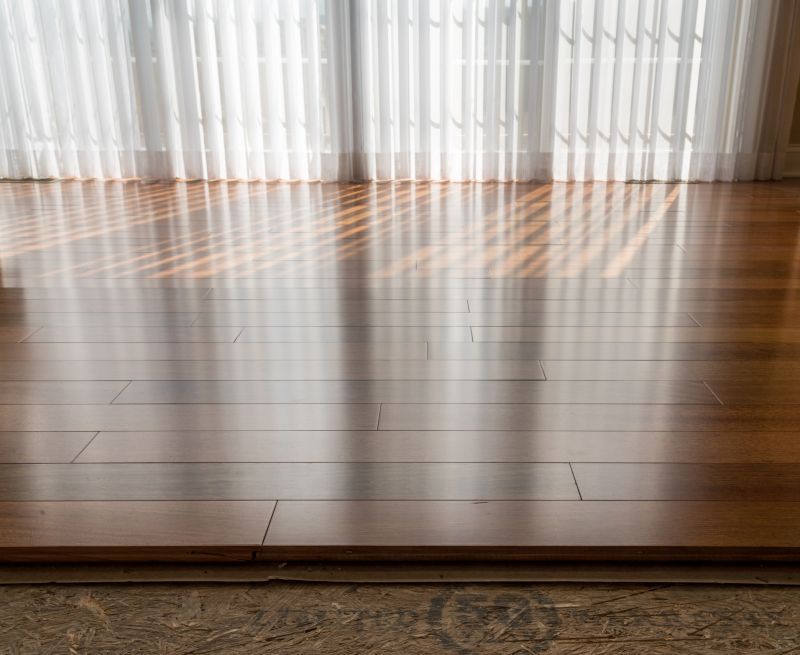
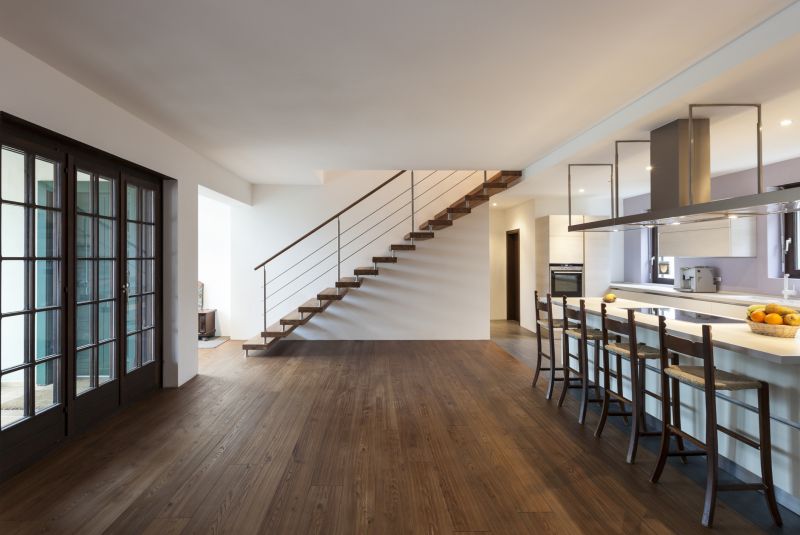
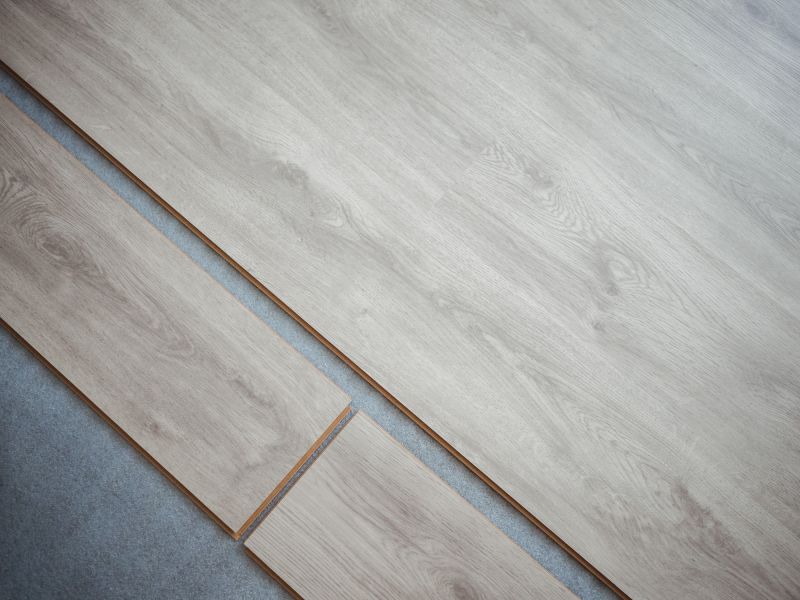
When homeowners search for information about hardwood floors installation versus engineered wood flooring, they are often trying to understand the fundamental differences between these two popular flooring options. Many are planning a renovation or new build and want to choose a surface that complements their space while fitting their lifestyle and maintenance preferences. The decision typically involves weighing factors like durability, appearance, installation methods, and suitability for different areas of the home. People may also be interested in how each type of flooring responds to moisture, temperature changes, and other environmental conditions, which can influence the long-term performance of the flooring in their property.
This comparison relates closely to the kinds of projects homeowners undertake when upgrading or remodeling their interiors. For example, someone might be considering hardwood floors installation for a main living area to achieve a classic, high-end look, while opting for engineered wood flooring in a basement or kitchen where moisture might be a concern. These projects often involve assessing the existing subfloor, the level of foot traffic, and the desired aesthetic. Homeowners may also be exploring whether their property’s design calls for a traditional, solid hardwood appearance or the more versatile, layered construction of engineered flooring, which can be easier to install over various subfloors and in different environments.
The types of properties that typically come up in discussions about hardwood versus engineered wood flooring are diverse. Single-family homes, especially those with open-concept layouts, often feature hardwood floors for their timeless appeal. Apartments and condos may lean toward engineered wood because of its adaptability and stability in less controlled environments. Renovation projects in older homes might favor engineered options to accommodate irregular subfloors or limited access for extensive preparation. Additionally, properties with basements or areas prone to moisture are common considerations, as engineered wood tends to perform better in these conditions compared to traditional hardwood.
Understanding the connection between these flooring options and real projects highlights the importance of working with local service providers who specialize in hardwood or engineered wood flooring installation. These professionals can evaluate the specific needs of a property, advise on the most suitable type of flooring, and ensure proper installation techniques are used. Whether a homeowner is upgrading a single room or completing a full home renovation, experienced local contractors can help navigate the choices, address environmental considerations, and deliver results that meet the homeowner’s aesthetic and functional goals. Connecting with the right service providers makes it easier to find a flooring solution that aligns with the property’s unique characteristics and the homeowner’s preferences.
Subfloor Preparation - proper subfloor prep is essential for both hardwood and engineered wood flooring projects, requiring similar skills in leveling and moisture testing that local contractors provide.
Flooring Removal and Disposal - removing existing flooring and preparing the space is a common step in hardwood and engineered flooring installations, handled by local service providers with the right tools.
Measuring and Layout Planning - accurate measurements and layout planning are crucial for both types of flooring, ensuring a seamless look that local flooring experts can assist with.
Underlayment Installation - installing underlayment for soundproofing and stability applies to both hardwood and engineered wood floors, with local pros ensuring proper setup.
Transition and Threshold Fitting - fitting transitions and thresholds between different flooring types or rooms is a shared skill that local contractors can expertly perform.
Flooring Surface Finishing - applying finishes like stains or sealants is relevant for hardwood floors and can be part of engineered wood installation projects, handled by local specialists.
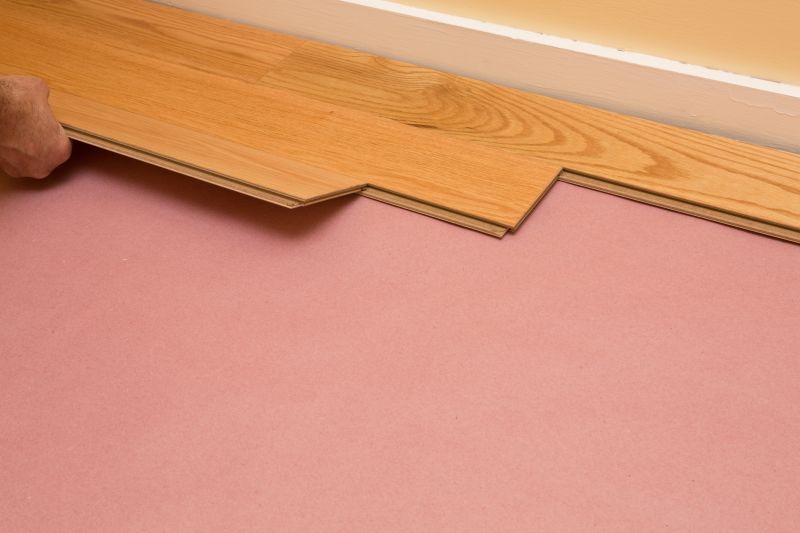
When comparing service providers for hardwood floors installation versus engineered wood flooring, it is important to consider their experience with similar projects. Homeowners should seek out local contractors who have a proven track record of successfully completing the type of flooring work needed. Contractors with relevant experience are more likely to understand the specific requirements and challenges associated with each flooring option, whether it’s the traditional installation of hardwood or the layered construction of engineered wood. Reviewing portfolios or asking for examples of past work can help gauge their familiarity with the materials and techniques involved, ensuring that the chosen provider has the practical knowledge to deliver quality results.
Clear written expectations are essential when evaluating potential service providers. Homeowners should look for contractors who provide detailed project descriptions, including scope, materials, and specific steps involved in the installation process. This clarity helps prevent misunderstandings and ensures that both parties are aligned on the work to be performed. It’s also beneficial to inquire about the contractor’s process for handling unexpected issues or changes during the project, which can be especially relevant when deciding between hardwood and engineered flooring, as each may have different installation considerations. Well-documented expectations contribute to a smoother project and a more satisfying outcome.
Reputable references and good communication are key factors in selecting the right local contractor for flooring installation. Homeowners should ask for references from previous clients who had similar flooring projects completed, as this provides insight into the contractor’s reliability and quality of work. Additionally, a contractor’s responsiveness and willingness to answer questions are indicators of their professionalism and commitment to customer satisfaction. Effective communication ensures that homeowners can express their preferences and concerns clearly, helping to achieve the desired results whether installing traditional hardwood or engineered wood flooring. Choosing a service provider with a solid reputation and open lines of communication can make the entire process more straightforward and less stressful.
Get a Quote for Hardwood Or Engineered Flooring Installation
Property owners often search for hardwood floors installation vs. engineered wood flooring when they are planning practical projects around their homes and businesses. Local pros provide Hardwood or Engineered Flooring Installation services for everyday jobs and straightforward project options.
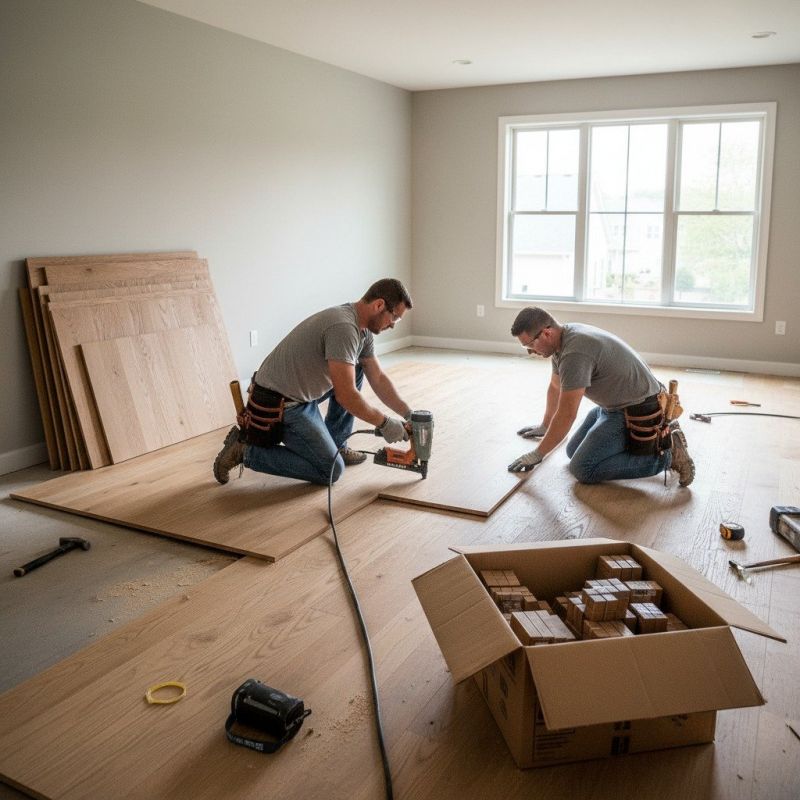
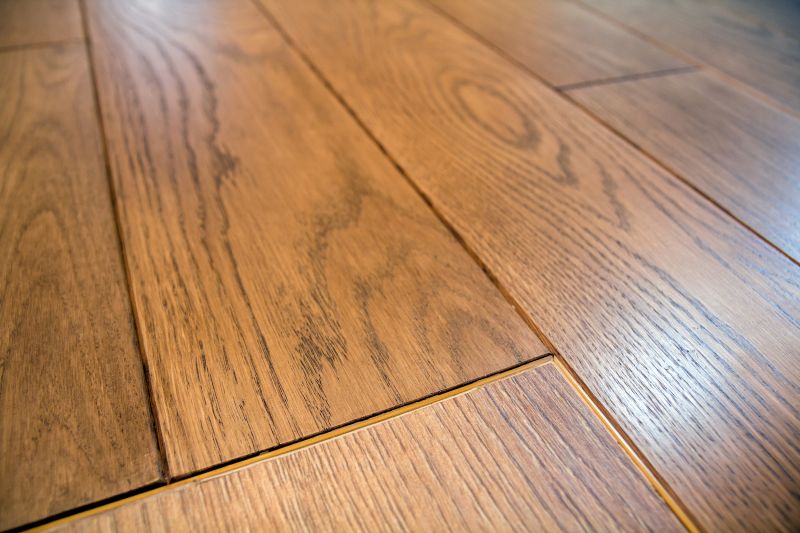
When considering flooring options for a home renovation or upgrade, property owners often compare hardwood floors installation with engineered wood flooring to determine the best choice for their space. Hardwood floors are known for their natural beauty and durability, making them a popular choice for those seeking a classic, long-lasting surface. Engineered wood flooring, on the other hand, offers a more versatile installation process and greater stability, especially in areas prone to moisture or temperature fluctuations. Homeowners looking to make an informed decision may turn to local contractors who specialize in both types of flooring to understand the benefits and limitations of each option based on their specific project needs.
Many property owners in the area seek out guidance on which flooring type suits their lifestyle and home environment. Factors such as existing subfloor conditions, the room’s usage, and the desired aesthetic can influence whether hardwood or engineered wood flooring is more appropriate. Local service providers can help evaluate the space and recommend installation solutions that align with the homeowner’s goals. Whether installing new floors in a living room or upgrading a basement area, connecting with experienced local contractors can ensure the chosen flooring type is installed correctly and meets the demands of everyday living.
Get a Quote for Hardwood Or Engineered Flooring Installation
What is the main difference between hardwood floors installation and engineered wood flooring? Hardwood floors installation involves placing solid wood planks directly onto a subfloor, while engineered wood flooring uses layered wood with a top veneer that offers more stability. Local contractors can advise on which option suits specific needs and preferences.
Which type of flooring is more suitable for areas with moisture or humidity? Engineered wood flooring tends to perform better in areas with moisture or humidity due to its layered construction, making it less prone to warping. Local service providers can help determine the best choice for such environments.
Can hardwood floors installation be done over existing flooring? In some cases, hardwood floors installation can be done over existing flooring if the surface is stable and level, but often it requires removal of old flooring. Local pros can assess the site and recommend the best approach.
Are there differences in the installation process between hardwood and engineered wood flooring? Yes, hardwood floors installation typically requires nailing or stapling directly into a subfloor, while engineered wood flooring can often be floated, glued, or nailed down, depending on the product. Local contractors can handle the specific installation methods for each type.
What maintenance considerations should be kept in mind for each flooring type? Hardwood floors generally require regular refinishing and careful cleaning, while engineered wood flooring may need less maintenance and be easier to refinish depending on veneer thickness. Local service providers can offer guidance on proper care for each option.
Choosing between hardwood and engineered wood flooring can help property owners decide which material best suits their space and lifestyle, with local contractors providing guidance on durability and style.
Assessing installation options for different environments allows property owners to select the most suitable flooring type, with local service providers offering expertise on subfloor compatibility and moisture resistance.
Considering the long-term maintenance needs of hardwood versus engineered flooring helps property owners plan for care and upkeep, with local pros offering advice on cleaning and refinishing options.
Matching flooring choices to the property's design enables property owners to achieve a cohesive look, with local contractors assisting in selecting the right finish and installation method for each space.
If you are thinking about hardwood floors installation vs. engineered wood flooring for a property, this guide is meant to help you understand this topic, the typical project types, and how different options might fit your plans.
When you are ready, you can use the quote form on this page to share a few details about your project. From there, local pros can review the basics and follow up with options that match what you have in mind.
Get a Quote for Hardwood Or Engineered Flooring Installation